Which User Groups Are More Likely to Use Phone Charging Stations?
As global smartphone penetration continues to rise and battery life technology has yet to achieve a major breakthrough, users' need for charging anytime and anywhere has created a vast market for rental power bank stations worldwide. After launching their business, cell phone charging station operators need to clearly identify their high-frequency user profiles in order to improve operational efficiency and achieve higher returns. Understanding these core users helps operators provide better services and deploy devices more accurately in high-matching locations.
1.What Are the Typical Characteristics of High-Frequency Power Bank Rental Station Users?
Heavy Smartphone Users with Strong Mobile Charging Needs:According to the latest data from Meltwater, global smartphone users aged 16 and above spend an average of 6 hours and 38 minutes per day on their devices. Users frequently engage with power-intensive applications such as video streaming, gaming, and social media, leading to strong battery anxiety. Most users do not want to carry a power bank with them, yet they find it difficult to tolerate the inconvenience of a dead phone, creating strong demand for phone charging stations.
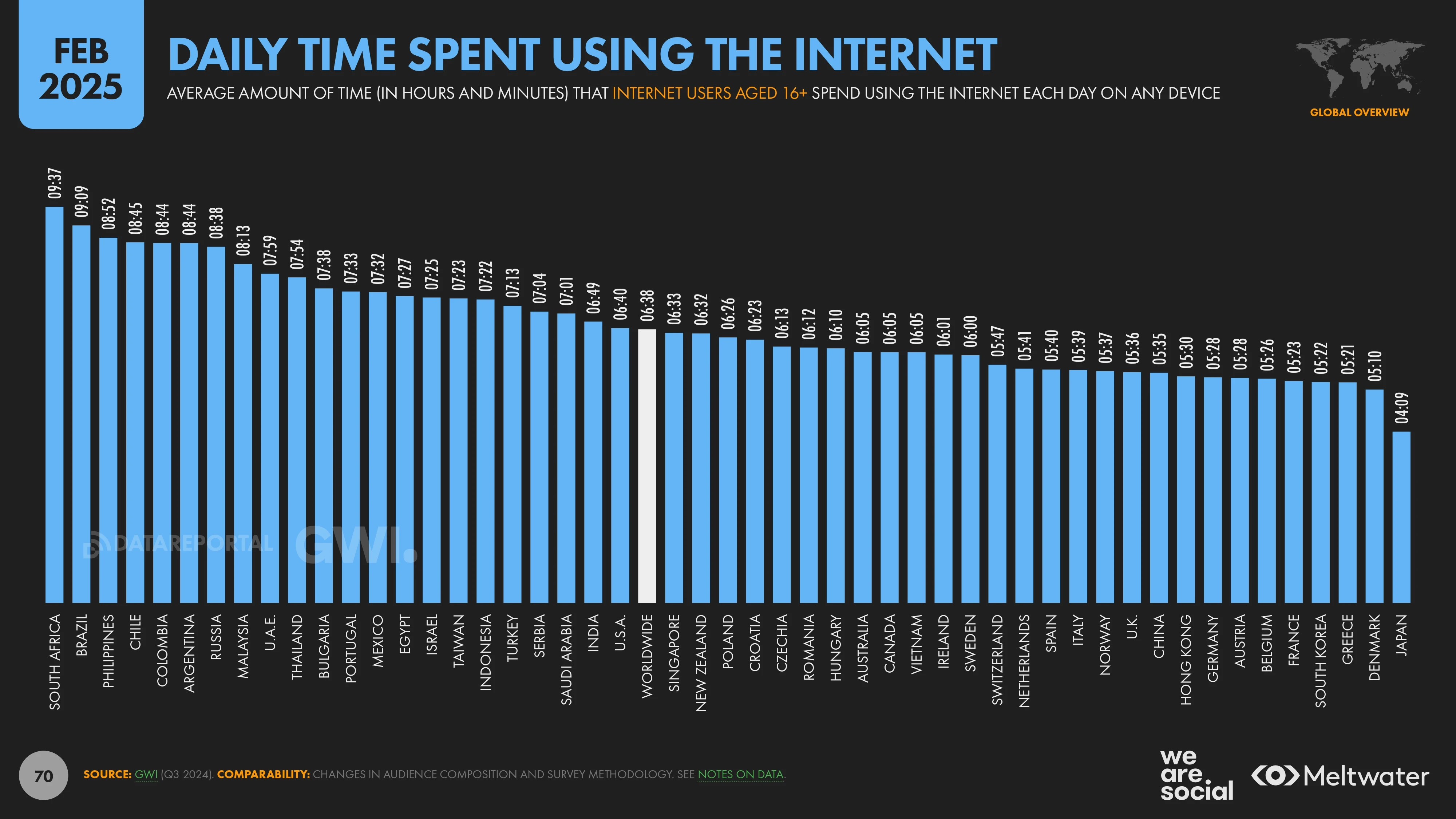
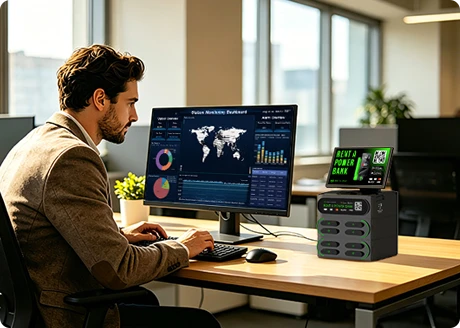
According to data from Verified Market Reports, 60% of shared power bank users are between the ages of 18 and 34. Most of them are office workers, business professionals, and international travelers who frequently commute, work remotely, and travel. Their highly mobile lifestyles make it inconvenient to charge their devices at any time.
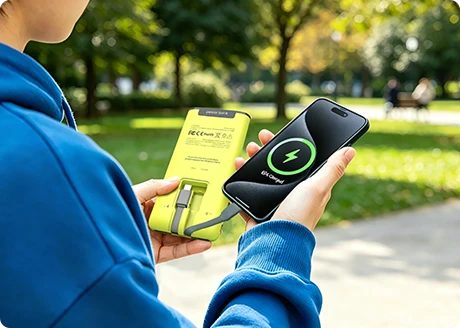
Lightweight Lifestyle Trends Make Instant Charging the Mainstream Choice:Driven by the trend toward lighter and more convenient travel, people are increasingly unwilling to carry power banks. The weight and size of power banks add extra burden when traveling. In addition, users need to charge the power bank in advance and recharge it again after use, which many young consumers consider inconvenient.
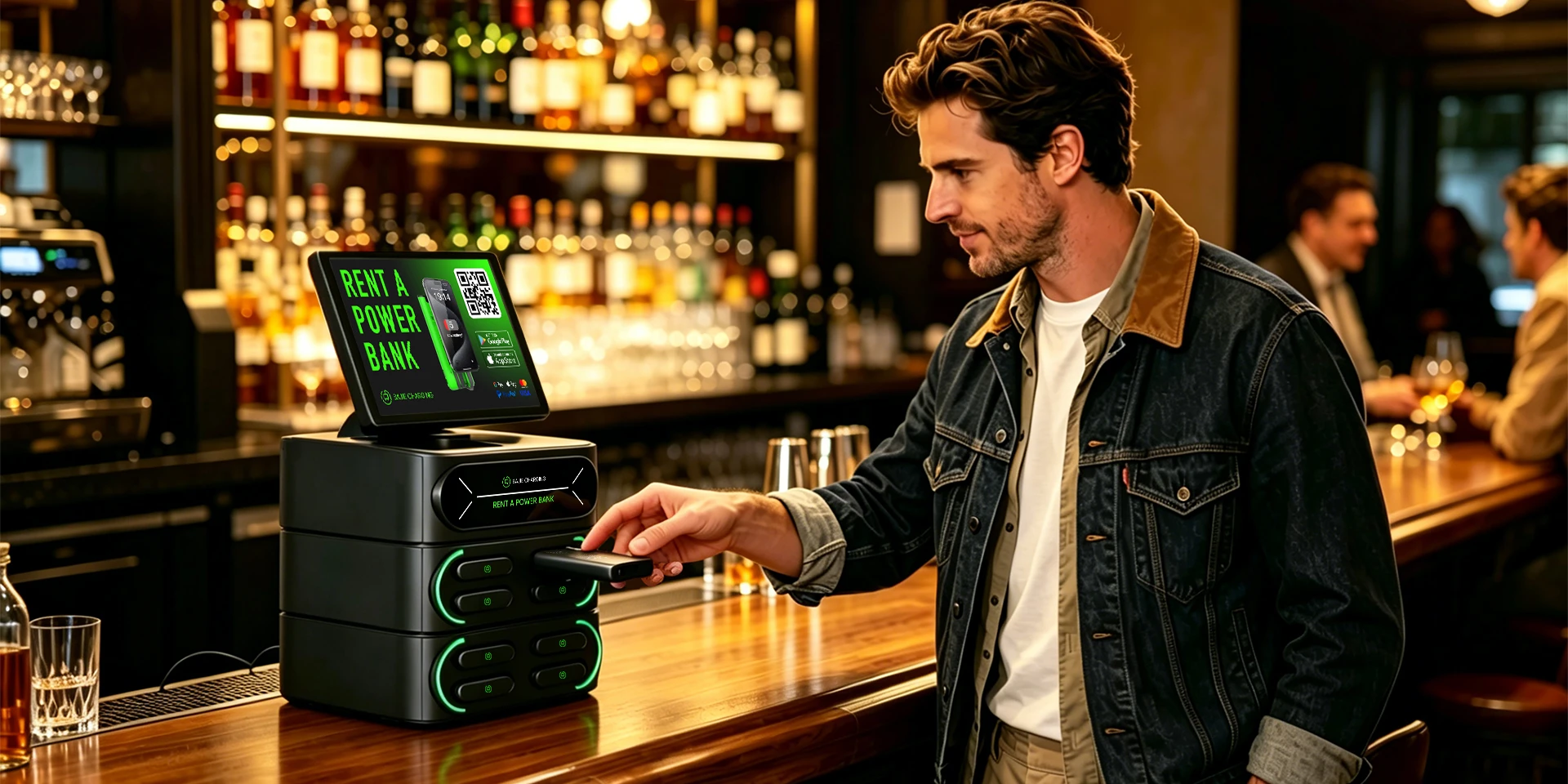
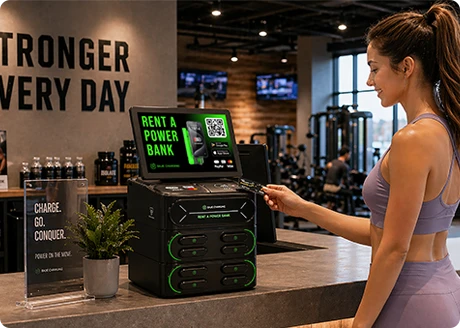
Mobile phone charging stations are mainly deployed in shopping malls, airports, transportation hubs, and similar locations. Users can simply scan a QR code or tap a card to rent a power bank, use it immediately, and return it when finished. The flexibility and convenience of power bank vending machines align perfectly with users' growing demand for instant charging solutions.
Accustomed to Mobile Payments, Rent Instantly with a Scan:The widespread adoption of mobile payments has significantly lowered the barriers to usage. Most users are already accustomed to using digital wallets, NFC payments, and other cashless payment methods in their daily lives. They can rent instantly without preparing cash, carrying coins, or applying for special rental cards. Mobile payments reduce operational friction for users and help power bank charging stations integrate seamlessly into everyday life.
High Acceptance of Sharing Services and Strong Environmental Awareness:Shared mobility, shared accommodation, and other sharing-economy models have become deeply integrated into people's daily lives, resulting in widespread acceptance of shared services. At the same time, increasing environmental awareness encourages consumers to choose renting over ownership.
Users do not need to purchase power banks, reducing electronic waste and avoiding unnecessary resource consumption. Through its sharing-based business model, a power bank rental station can efficiently serve more users. Consumers can rent whenever needed and return the power bank after use, reducing travel burdens. The simple and convenient experience has led more people to choose rental power banks.
2.How Can Operators Choose Deployment Locations Based on the Core User Groups of Power Bank Charging Stations?
Business travelers account for a large proportion of airport passengers. They need to stay connected, manage work tasks, and maintain communications, resulting in strong charging demand. Their purchasing power and willingness to pay are generally higher. Deploying power bank rental stations in airports, train stations, subway stations, and other transportation hubs allows operators to benefit from dense passenger traffic, high device turnover rates, and faster return on investment.
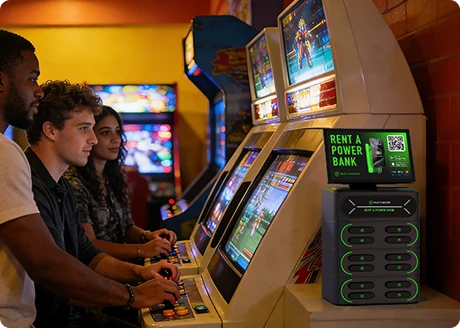
In entertainment venues such as bars and clubs, users consume battery power quickly due to extended periods of socializing and entertainment, making them more susceptible to battery anxiety. Power bank charging stations provide an immediate and convenient charging solution that supports continuous mobile device usage.
Users often spend extended periods in shopping malls, restaurants, and similar venues, where carrying personal power banks may be inconvenient. By scanning a QR code or using a bank card, users can rent a power bank from a power bank vending machine and conveniently return it at any station within the same network, creating a flexible and user-friendly experience.
At music festivals, sporting events, concerts, and other high-traffic venues, charging demand is particularly strong. Deploying phone charge stations in these locations enables operators to reach potential users precisely. The frequent and essential charging needs at these events generate stable cash flow for operators.
3.How Can Operators Better Serve the Core User Groups of Mobile Charging Stations?
Optimize the Rental Experience and Lower Barriers to Use:Although QR-code rental is the standard method used by most power bank rental stations, payment preferences vary significantly across different countries. Users in Europe and North America tend to prefer card payments, while users in Southeast Asia often favor digital wallets. Relying on a single rental method can increase operational friction for users.
Power bank stations should support multiple rental methods, including NFC payments (Apple Pay and Google Pay), POS card payments, and QR-code payments. This allows users to choose the payment method they are most comfortable with and enjoy a frictionless rental experience.
By supporting major global languages as well as regional languages, users can freely switch to their preferred language. Clear instructions in their native language reduce misunderstandings, incorrect operations, and return errors. Eliminating language barriers enables users to rent power bank kiosks more easily.
Improve Charging Efficiency to Meet Fast-Charging Expectations:Core users rely heavily on their smartphones and consume battery power quickly, creating higher expectations for charging speed. Operators should deploy fast charging power banks to improve charging efficiency. Faster charging significantly reduces waiting time and improves overall user satisfaction.
Innovative Products That Solve Specific Scenario Challenges:Lightbox-style shared charging stations feature 360-degree LED dynamic lighting effects with customizable colors and breathing-light designs. In low-light environments such as bars and KTV venues, these charging stations quickly attract user attention and solve the problem of locating devices at night.
Bidirectional charging stations support power-off returns, solving operational challenges in locations such as stadiums and exhibition centers where adapters may not be readily available. Even during power outages, users can still complete rentals and returns smoothly.
Conclusion
The core users of rent power bank services are primarily young adults aged 18-34, including office workers, business professionals, and international travelers. They spend more than six hours per day on their smartphones, experience strong battery anxiety, are accustomed to mobile payments, and generally have a high acceptance of sharing services.
These users prefer lightweight travel and do not want to carry personal power banks. Instead, they favor charging solutions that can be rented instantly whenever needed. They are commonly found in transportation hubs, restaurants, entertainment venues, tourist attractions, and other high-traffic locations.
Portable phone charger operators can strengthen engagement with these core users by optimizing the rental experience, improving charging efficiency, and offering innovative products. These strategies can help attract more users and convert them into long-term customers of the brand.
June 10, 2026
 Which User Groups Are More Likely to Use Phone Charging Stations?
 How to Succeed in the Netherlands Phone Charging Station Market?
 How can a power bank portable charger SaaS cloud platform achieve intelligent management for millions of devices?
 How can fast-charging commercial power bank stations help operators attract more users?
 Why Are European and American Markets Accelerating the Deployment of Mobile Phone Charging Stations?
 What key indicators should you focus on when testing fast-charging power bank samples?